Blog

  • Episode 21: Limited Reparenting (What If Series)

    Limited Reparenting

    In this episode of ‘What’s the Schemata’, Robert Brockman and Chris Hayes discuss Limited Reparenting. This is a free resource designed to help Schema Therapists further their learning about Limited Reparenting.

    “Limited reparenting can be the most exciting part of the model and the most anxiety-provoking,”

    Rob continues –

    “It can be more activating – or triggering – for therapists.”

    Limited reparenting is about meeting a person’s unmet needs from their childhood.

    It can mean, for example, helping them set healthy boundaries.

    In another example, Chris and Rob discuss addressing the failure schema – Rob says –

    “If you have self-doubt, meeting your need might be, someone pulling you in and saying ‘you’ve got this. This is not beyond what you can do.’”

    Be aware of which mode is activated

    “You have to be aware of their modes. If they’re in the Detached Protector mode, they’re going to respond differently,” says Rob.

    “You have to really get in there and meet that need,” says Chris, explaining understanding modes, will change their level of responsiveness.

    Setting boundaries with empathic confrontation

    Many of our patients come to us in very vulnerable states, with abusive backgrounds. They often need nurturing, but they can also need to be encouraged to set boundaries.

    Chris says – “early on, I found empathic confrontation a challenge – no one taught me how to deal with that.”

    Further explaining, “Many therapists learn to nurture, but they need guidance with other areas like empathic confrontation.”

  • CONNECT 2022 Schema Therapy Conference

    CONNECT 2022 Schema Therapy Conference

    Published 18 April, 2022

    Our annual International Schema Therapy Conference ‘CONNECT’ went ahead on April 8th.

    We had a blast connecting with some of our favorite schema colleagues who graced us with the latest in creative applications of Schema Therapy.

    As a part of the charity drive for the conference 15% of profits to be donated to the Ukraine Appeal. So far that is $AUD5,000!

    You can still contribute to this effort by purchasing the post-conference stream which comes with 12-months access to all six presentations and all slides/handouts (for a total of 11.5 Hours of CPD. A certificate of completion is issued upon completion too).

    CONNECT 2022 Conference Review

    The conference was co-facilitated by Robert Brockman, who has shared his own learnings here –

    “This was an awesome conference,” says Rob, “and we’re so thrilled to bring talented, creative individuals together from around the world to share their expertise.”

    We opened the conference with Wendy Behary who set a very high standard.

    Read on for Rob’s full account –
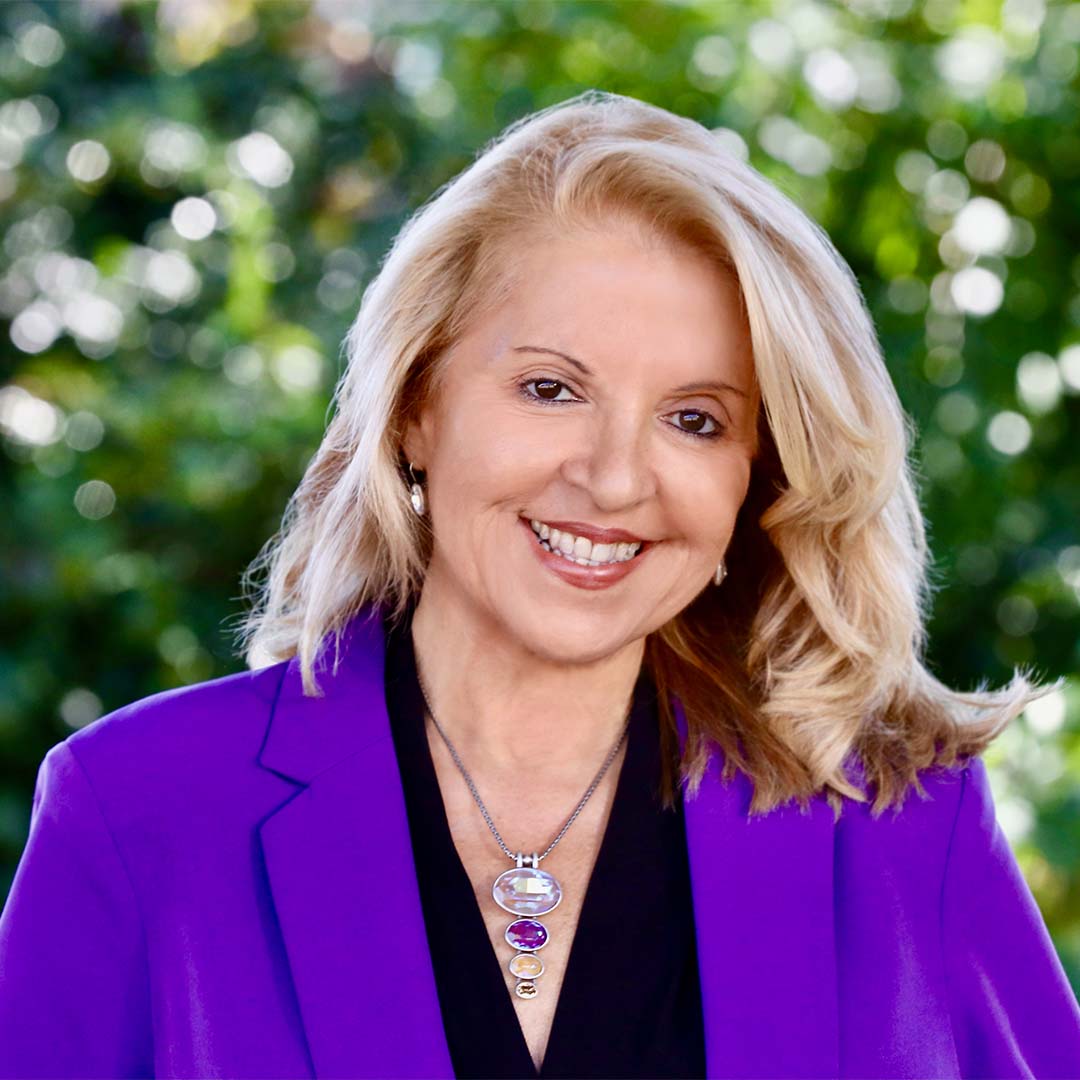
    Wendy Behary

    Presenter: Wendy Behary (USA)

    Presentation: Advanced Empathic Confrontation Strategies for Dealing with The Most Challenging Modes in Treatment

    Wendy graced us with her deeply empathic communication style – and how this is conveyed to soften the most difficult to engage patients. She also presented a real cool ‘Speaking out of frame’ model of interpersonal interactions that can help us stay aware of our own schema based reactions when working with overcompensating clients.

    Presenter: Professor Marleen Rijkboer (Netherlands)

    Presentation: Schema Therapy for Dissociative Identity Disorder; Scientific Background and Practical Overview of the Treatment.

    Marleen presented some theory, and her clinical observations from working over the past few years on a small trial of Schema Therapy for patients suffering with Dissociative Identity Disorder (DID). I came away with an understanding of the relevance of ST to these clients, and the adjustments that need to be made to engage clients with this profile. Marleen has the uncanny ability to describe research and practice in a way that is engaging; her humour and positivity is infectious.

    Presenter: _Dr Susan Simpson (UK)

    Presentation: Working with Self-Flagellation and Guilt in Schema Therapy.

    Presentations involving Self-Flagellation and Guilt are among the most difficult presentations to deal with in ST. Susan was able to share her knowledge of these topics with both precision and empathy, drawing on theory and research from diverse fields to inform her schema approach to these issues.

    Presenter: Dr Lars Madsen (Aust)

    Presentation: The Joker: An introduction to Forensic Schema Therapy.

    Every time I talk to Lars I get the feeling I am on a crime podcast. This was no different (ps. I love crime podcasts). Lars masterfully illustrated the development of a set of Forensic Coping Modes (e.g. Bully and Attack, Predator) based on the tragic history of the character of Joaquin Phoenix’s Joker. Really fun and informative way of teaching the forensic schema model.

    Presenter: Dr Andrew Phipps (Aust)

    Presentation: I Want To Break Free: Accessing and Building the Happy Child Mode in Schema Therapy.

    This was just plain fun – no pun intended;) Andrew took us for a deep dive into some of the skills and knowledge relevant to building the capacity for fun, play, and Joy. I came away from this feeling like we have only scratched the surface of ‘building the happy child’ within the general schema approach.
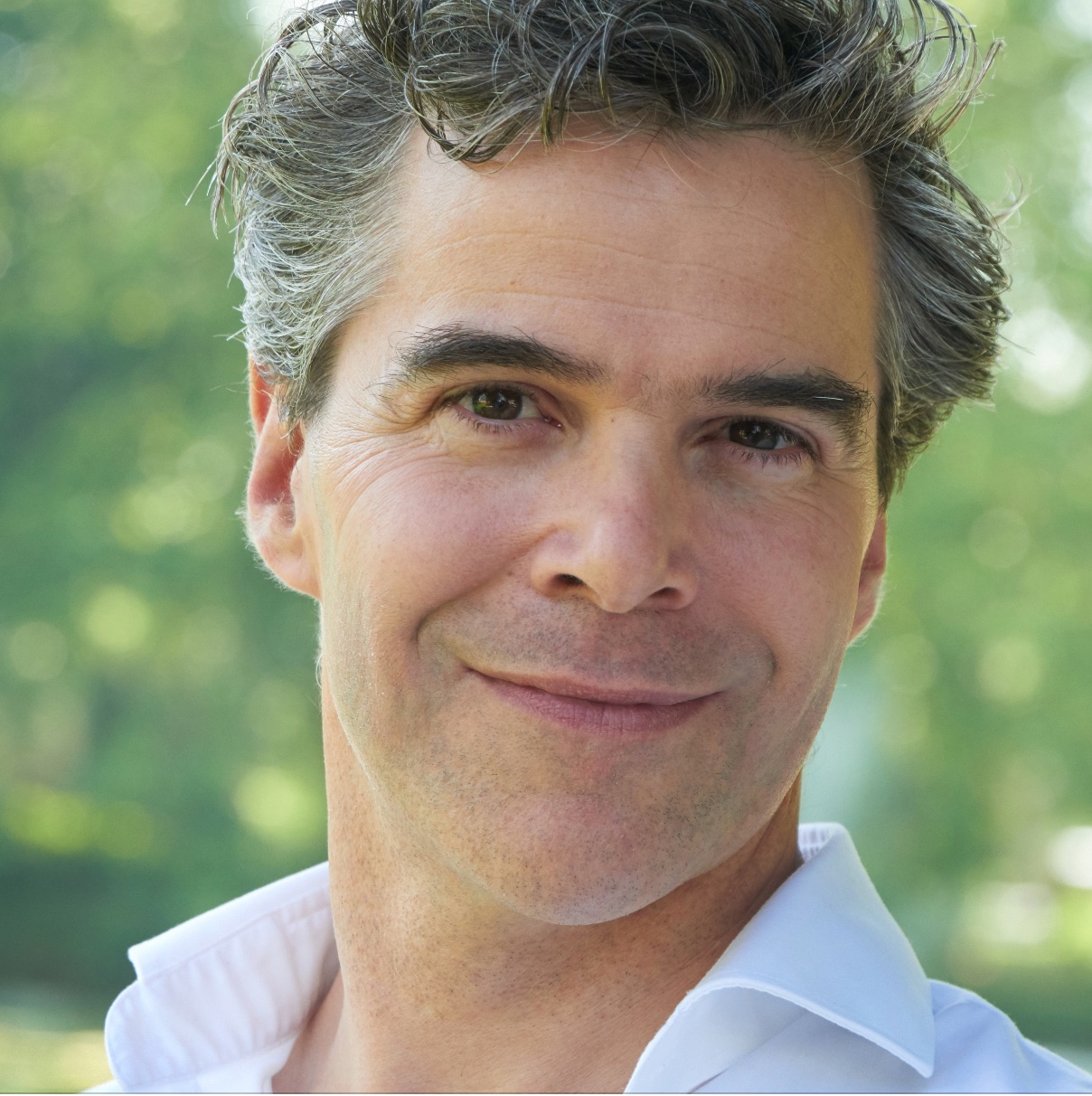
    Remco Van Der Wijngaart (Netherlands) Emotional growth; how to generate corrective emotional experiences in Limited Reparenting.

    Presenter: Remco Van Der Wijngaart (Netherlands)

    Presentation: Emotional growth; how to generate corrective emotional experiences in Limited Reparenting.

    I learn something about ST whenever I talk to Remco. He is so passionate and creative about how to involve the clients in experiential techniques. I was lucky enough to be his role-play ‘Guinea Pig’ for this presentation where he shared a specific framework for limited reparenting (a) Activation (b) Corrective Experience; and (c) Consolidation. I really loved this and have been immediately implementing this in my own ST practice.

  • Episode 20: Professor Arnoud Arntz, The Scientist Behind the Practice

    Episode 20: Professor Arnoud Arntz, The Scientist Behind the Practice

    We had the pleasure of interviewing Professor Arnoud Arntz, the pioneering researcher in schema therapy. Professor Arntz joins Chris and Rob to discuss new developments within the Schema therapy model, new proposed schemas and we have a discussion around unhappy monkeys!

    Notes from the Episode:

    Towards a Reformulated Theory Underlying Schema Therapy: Position Paper of an International Workgroup
    https://link.springer.com/article/10.1007/s10608-021-10209-5

    Fairness Study With Monkeys
    https://www.youtube.com/watch?v=meiU6TxysCg

    Cooperation with Elephants
    https://www.youtube.com/watch?v=CXcRw6Piaj8

  • Sexual addiction discussed with Liz Lacy and Amber Dalsin

    January, 2022

    Recommended podcast

    Sexual addiction discussed with Liz Lacy and Amber Dalsin

    Whether you have completed the course offered by Liz Lacy, or not, you are likely to find this podcast interesting.

    Amber Dalsin MSc, RPsych asks Liz questions about childhood development, intimacy and sexual addiction.

    The two touch on porn addiction, infidelity, online relationships and more.

    From emotional deprivation to specific patient examples of enmeshment giving the illusion of intimacy, the two cover a broad range of subjects.

    Where in our lifespan do you see that most sexual intimacy problems begin to develop?

    “Let’s say you’re looking at this list of core sexual needs that need to be met,” explains Liz.

    “What starts to happen is a lot of them aren’t [met].

    Body acceptance is not there, there isn’t much affection or touch. The child suffers. Even without knowing the child suffers.

    You also don’t have a lot of attachment to the parents and sexuality ends up inserted in there somewhere too early or inappropriately and you end up getting the recipe that starts to spell intimacy problems..”

    Listen to the full podcast.

  • Free Resources: Healthy Adult

    Free Resources: Healthy Adult

    This is a placeholder for the ‘Free Resources: Healthy Adult’ content. This section will be updated with actual content in the future.

  • Episode 16: Integrating DBT & Schema Therapy with Chris Hepworth & New ISST Case Conceptualization Form

    Can we Be Friends? Integrating DBT to Schema Therapy Chris Hepworth

    These two models – Dialectical Behaviour Therapy and Schema Therapy – can compete against each other. We speak with Chris Hepworth, also known as nickname “Happy,” about his approach.

    From day one, even as a Trainee therapist, he took an interest in these both DBT and Schema Therapy.

    This honest discussion looks at how DBT can regulate clients but in Rob’s experience, leave them with a “core misery”, – which he acknowledges might be unique to him.

    Chris Hayes raises questions about how – and when – to integrate the models.

    Listen in full.

    Free resource | New Schema Therapy Case Conceptualization Form – Approved by the International Society for Schema Therapy (ISST)

    Recently, the ISST (this is the peak international body for schema therapy, and well worth joining;) released an updated Schema Therapy Case Conceptualization Form (Version 2.22) for those pursuing individual accreditation.

    This form is great, and very detailed. If you have not used this form before, we highly recommend it, especially with patients who you may feel stuck with.

    Going back and working on a detailed formulation usually uncovers some blind spots that could blow open the case.

    You can download these below.

    Schema therapy podcast
    https://open.spotify.com/episode/3dOx5rHZCa2fQr8vfQee6f

  • Episode 12: Jeff Young Interview Part 1

    Episode 12: Jeff Young Interview Part 1

    Wayne’s World, Schemas and More

    Part 1 interview with the originator of schema therapy Dr. Jeffery Young, discussing developmental origins of schema therapy, schemas and modes, and the future of schema therapy.

    Lead singer of a megadeath rockband or renowned schema therapy creator, Jeff Young dives into the origins of schema therapy.

    Before developing his own therapy his main goal was to study as many different types of therapy as possible. Jeff always envisioned what the different methods to practice therapy should be; constantly striving to find the therapy that fits all and when there would be a close fit, there would always be one or more clients that didn’t quite fit the puzzle.

    Starting therapy in his early 20s, Jeff’s mindset was very logic-driven and his devoted interests were to solve problems through logic, debates, and discussions. All in all, he concluded he was more in touch with logic than feelings at that age like many young men are. After decades of practice, he realized emotions are significant to his practice. “I was much more in touch with my mind than I was with my feelings.” Jeff stated, “The turning point was my recognition of how important emotions are to me as a person and also in doing therapy.”

    Once he began his own practice he realized working with a diverse group of patients meant the practices he was using, for example, to treat depression, wasn’t the central problem anymore. Diverse groups mean diverse outcomes. There may be numerous issues such as personality disorders. So that was a light bulb moment… A new drive.

  • Episode 15: Schema Crime Channel: Forensic Schema Therapy Staring into the Abyss

    Episode 15: Schema Crime Channel: Forensic Schema Therapy Staring into the Abyss

    Chris and Rob discuss forensic schema therapy with Accredited Advanced Schema Therapist and Clinical Psychologist Dr. Lars Masden.

  • Schema Therapy Courses with CE Units (CEU)

    Schema Therapy Courses with CE Units (CEU)

    We have courses that are now eligible for CE Units (CEU).

    What are CE Units?

    A continuing education unit (CEU) or continuing education credit (CEC) is a measure used in continuing education programs to assist the professional to retain their license. In Australia, this is the equivalent of Continual Professional Development (CPD) points.

    Why do CE Units matter?

    This means our students practicing Schema Therapy in the United States can now complete this coursework and receive acknowledgment of CE Units from bodies who are accredited with CEUnits.com.

    CEUnits.com® is the leading nationally accredited provider of continuing education for healthcare professionals in the United States.

    They are nearing two decades and have delivered more than 50,000 courses to psychologists, social workers, addiction specialists and therapists.

    How to Claim CE Units for your Schema Therapy Course

    Course 1 and Course 2 are both accredited for CE Units.

    Simply complete the courses on this website and then visit CEUnits.com to take a test and claim your points.

  • Free Resources (Updated June 2021)


    Schema diary

    Schema diary

    View and download this here.


    basic schema formulation for clients

    Schema formulation for clients (basic)

    View and download this here.


    imagery rescripting script free resource

    Imagery rescripting script

    View and download this here.